Paid to Cover Risk, Stuck Counting Numbers
Make sure you're doing the right work
Construction estimation boils down to one thing: putting together a number that properly accounts for risk. That's the whole game...but anyone who's actually done the work knows that's not how it always plays out.
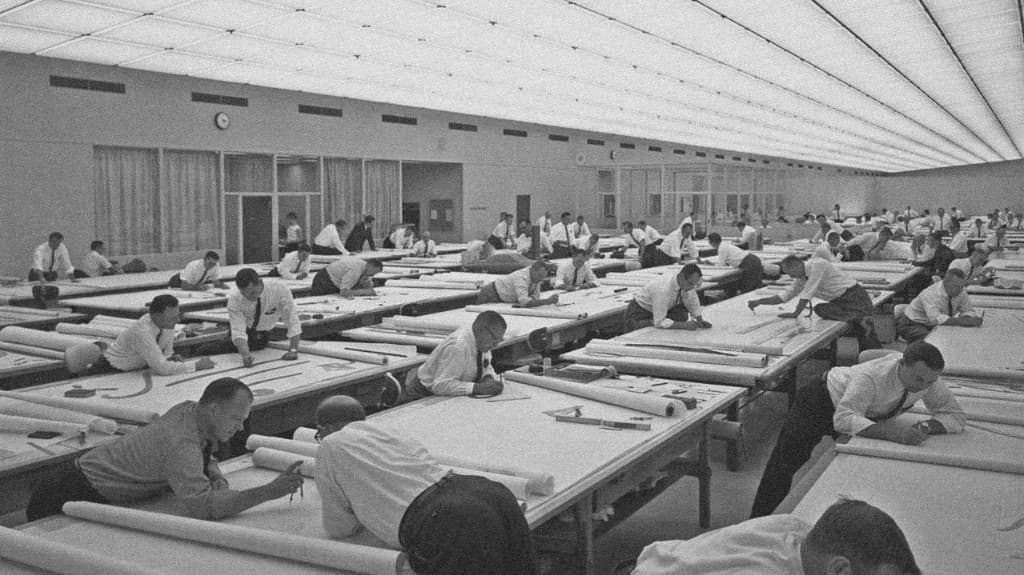
Most estimators don't spend their day thinking about what really matters, like labor exposure, material volatility, or scope gaps. Instead, they're stuck in the weeds — grinding through takeoffs, fighting with clunky reporting tools just to get something usable out the door before bid time. By the time the estimate is due, there's barely any time left to step back and ask the most important question: Did we actually cover our risk?
The real value in estimating is judgment. It's knowing:
- When labor is going to take a hit
- Where the drawings don't tell the full story
- Which parts of the job are carrying the most risk
- How aggressive (or conservative) you can afford to be
It's the difference between consistently profitable work and jobs that come back to bite you. Unfortunately, most estimators don't get enough breathing room to think at that level. You're often too busy just getting the numbers together. Even with digital tools, complex mechanical and plumbing systems aren't quick to quantify. If you're not 100% sure in your quantities, you're going to keep checking them. That adds time, stress, and slows everything down.
Further, most estimating software just doesn't bend to how companies actually operate. You either settle for generic reports or spend extra time reworking everything manually in a fragile Excel sheet. This inefficiency pulls you further away from the valuable work of calculating risk.
Canaveral is built to fill this gap. We believe AI shouldn't (couldn't) replace estimators. But it can accelerate the repetitive and time-consuming parts of the job so you can focus on the decisions that actually matter. Faster takeoffs help you get through drawings without getting bogged down. More confidence in your numbers means less second-guessing. Flexible reporting lets you see the job the way you need to see it, not how we think you should.
When you're not buried in the nuances of lower-level estimating tasks, things start to shift. Suddenly, you have time for the deeper work:
- Looking closer at labor assumptions
- Catching scope gaps before they become change orders
- Adjusting your pricing based on real project risk
- Actually thinking through the job instead of just reacting to the complex plans in front of you
And that's where better estimates come from. (And AI can even help with these too, but more on that another time.)
For a long time, the industry has just accepted that estimating is a grind. Long hours, tight deadlines, constant pressure. You've been there, but you don't have to go back there.
The companies that are going to come out ahead are the ones that give their estimators the tools that accelerate the menial and make space for the real human work. Do your team a favor and take Canaveral for a spin.